
Supplements covered by hsa: Tax-Advantaged Health: A Guide to Medical Necessity and Supplements Covered by HSA
December 31, 2025
About fish oil supplements: Oxidation and Heavy Metals: The Critical Details About Fish Oil Supplements
January 1, 2026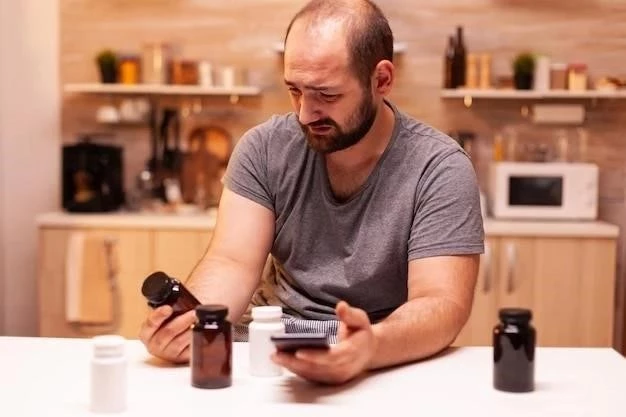
The pursuit of endocrine optimization is crucial for human vitality. Maintaining hormonal balance profoundly impacts overall well-being, leading to a deeper exploration for effective enhancement strategies.
Defining Free Testosterone: The Bioavailable Form
Within the intricate symphony of human physiology, testosterone circulates in various forms, each playing a distinct role in its overall presence. While total testosterone measures the sum of all these forms, it’s the specific fraction known as free testosterone that carries paramount biological significance. This crucial component represents the unbound, active portion of the hormone, existing independently in the bloodstream and readily available to interact with androgen receptors located within cells throughout the body. The vast majority of circulating testosterone is, in fact, bound to plasma proteins, predominantly Sex Hormone-Binding Globulin (SHBG) and, to a lesser extent, albumin. These binding proteins effectively act as carriers, rendering the bound testosterone biologically inactive, as they prevent it from easily entering target cells and exerting its vital effects. Consequently, free testosterone is unequivocally considered the true bioavailable form. It is this unbound testosterone that directly drives numerous essential physiological processes, including the maintenance of muscle mass and strength, bone density, libido, energy levels, and cognitive function. Understanding its distinct role is fundamental to accurately assessing an individual’s actual androgenic status and potential health implications.
Types of Testosterone Supplements: A Brief Overview
The market for testosterone-influencing products is diverse, encompassing a wide array of formulations designed to support or enhance natural hormone production. These supplements generally fall into several distinct categories, each with varying mechanisms of action and ingredient profiles. One common group includes herbal and botanical extracts, such as Fenugreek, Tribulus Terrestris, Ashwagandha, and Tongkat Ali (Eurycoma longifolia). These natural compounds are often marketed for their potential to stimulate endogenous testosterone synthesis or reduce its conversion to other hormones. Another significant category comprises essential vitamins and minerals crucial for endocrine function, notably Zinc, Vitamin D, and Magnesium. Deficiencies in these micronutrients can negatively impact hormone levels, making their supplementation a popular strategy. Furthermore, some products contain direct hormone precursors like DHEA (Dehydroepiandrosterone), which the body can convert into testosterone. While not direct testosterone, DHEA aims to provide the raw materials for the body’s own production. Less common now due to regulatory changes, certain pro-hormones also historically aimed to provide similar precursors. This overview highlights the varied approaches manufacturers take to address hormonal support.
Analyzing the Influence: Do Supplements Elevate Free T?
Investigating the efficacy of various testosterone supplements on circulating free testosterone levels is paramount. This section critically examines their actual impact.
Scientific Evidence and Common Ingredients’ Impact
Scientific scrutiny reveals mixed efficacy for popular supplements in elevating free testosterone levels. Common ingredients include D-Aspartic Acid, Fenugreek, Zinc, Magnesium, Vitamin D. While Zinc and Vitamin D deficiencies can impair testosterone, supplementation mainly restores baseline levels in deficient individuals, rarely boosting them beyond normal ranges. D-Aspartic Acid research often shows short-lived or negligible free T effects in healthy men. Fenugreek, despite some small studies suggesting libido improvements, lacks consistent, robust evidence for direct free testosterone elevation in large, controlled trials. Tribulus Terrestris is largely debunked by scientific literature, showing no significant impact on testosterone or free testosterone. Ashwagandha, an adaptogen, indicates promise in stress reduction and related hormonal improvements, with some studies noting modest total testosterone increases. Yet, strong evidence for significantly raising free T in healthy individuals remains inconclusive. The scientific consensus points to limited, if any, substantial free testosterone elevation from most over-the-counter supplements, especially for those with adequate baseline levels. Perceived benefits often stem from placebo effects or correcting existing nutritional deficiencies.