
Double Wood Supplements Science Purity and Transparency
June 16, 2026
Universal Supplements A Foundation for Health
June 16, 2026
Managing blood pressure is crucial for preventing serious health complications like heart disease, stroke, and kidney issues. While lifestyle modifications such as a balanced diet, regular exercise, and stress reduction are foundational, certain dietary supplements have shown promise in supporting healthy blood pressure levels. It is paramount to understand that supplements are not a replacement for prescribed medication and should always be discussed with a healthcare professional before incorporation into any regimen.
Key Supplements for Blood Pressure Support
A range of supplements are explored for their potential benefits in blood pressure regulation:
-
Potassium
Potassium plays a vital role in balancing sodium levels in the body. High sodium intake can lead to elevated blood pressure, and potassium helps mitigate this effect by promoting sodium excretion through urine; Rich sources include fruits, vegetables, and legumes. Supplementation may be considered under medical guidance, especially for individuals with insufficient dietary intake.
-
Magnesium
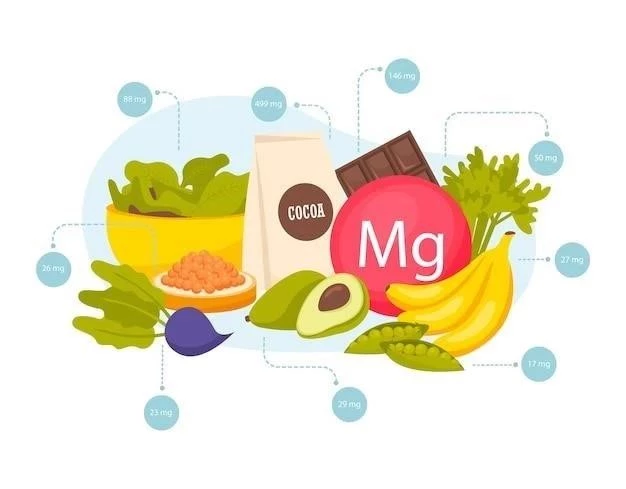
Magnesium is an essential mineral involved in over 300 enzymatic reactions, including those that regulate blood vessel tone and blood pressure. It helps relax blood vessels, potentially leading to lower blood pressure. Many individuals are deficient in magnesium, making supplementation a common consideration. Forms like magnesium citrate or glycinate are often recommended for better absorption.
-
Coenzyme Q10 (CoQ10)
CoQ10 is an antioxidant naturally produced in the body, crucial for cellular energy production. Research suggests it may help lower blood pressure, particularly in individuals with hypertension, by improving endothelial function and reducing oxidative stress. It’s often recommended in its ubiquinol form for better bioavailability, especially for older adults.
-
Omega-3 Fatty Acids (Fish Oil)
Found primarily in fatty fish, EPA and DHA omega-3 fatty acids are well-known for their cardiovascular benefits. They can help reduce inflammation, improve blood vessel function, and may slightly lower blood pressure, especially systolic blood pressure. High-quality fish oil supplements are popular, but dosage must be carefully considered.
-
L-Arginine
L-Arginine is an amino acid that the body uses to produce nitric oxide, a powerful vasodilator that helps relax and widen blood vessels. This effect can improve blood flow and potentially reduce blood pressure. While found in many foods, supplementation may offer a more concentrated dose, but potential interactions with certain medications exist.
-
Vitamin D
Emerging research indicates a link between vitamin D deficiency and increased risk of hypertension. Vitamin D is involved in several pathways that regulate blood pressure, including the renin-angiotensin system. Correcting a deficiency through supplementation may contribute to better blood pressure control, though more definitive studies are ongoing.
-
Garlic
Garlic has been used for centuries for its medicinal properties. Compounds within garlic, particularly allicin, are believed to have vasodilatory effects, helping to relax blood vessels and modestly lower blood pressure. Aged garlic extract is a popular supplemental form, often standardized for its active compounds.
-
Hibiscus
Hibiscus sabdariffa, often consumed as a tea, has demonstrated diuretic properties and the ability to inhibit the angiotensin-converting enzyme (ACE) in a similar manner to some blood pressure medications. Studies suggest regular consumption can lead to a modest reduction in blood pressure.
Important Considerations Before Supplementation
While these supplements offer potential benefits, several critical points must be addressed:
- Consult Your Doctor: Always discuss any new supplement with your healthcare provider, especially if you have existing health conditions or are taking medications.
- Not a Replacement for Medication: Supplements should complement, not replace, prescribed blood pressure medications or established lifestyle changes.
- Dosage and Quality: The effectiveness and safety of supplements depend heavily on appropriate dosage and product quality. Choose reputable brands with third-party testing.
- Potential Interactions: Supplements can interact with medications, leading to adverse effects or reduced efficacy of either. For example, some supplements can thin the blood.
- Lifestyle Factors Remain Key: A healthy diet (e.g., DASH diet), regular exercise, maintaining a healthy weight, limiting sodium and alcohol, and managing stress are the cornerstones of blood pressure management. Supplements are merely supportive tools.