
Key Supplements for Healthy Blood Pressure
June 16, 2026
Key Supplements for Women Over 40
June 17, 2026
In an increasingly fast-paced world, maintaining optimal health can be a challenge. Even with a seemingly balanced diet, modern farming practices, food processing, and individual lifestyle factors can lead to nutritional gaps. This is where “universal supplements” come into play – a foundational set of dietary aids designed to bridge common nutritional deficiencies and support overall well-being for a broad spectrum of individuals. These aren’t magic pills, but rather scientifically backed nutrients intended to complement a healthy lifestyle, providing a robust base upon which individual health can truly thrive.
The Core Pillars of Universal Supplementation
While individual needs vary, certain supplements consistently emerge as beneficial for general health maintenance. These core pillars address widespread deficiencies and support critical physiological functions.
Multivitamin/Multimineral
Often considered the bedrock of any supplement regimen, a high-quality multivitamin acts as a nutritional safety net. It provides a broad spectrum of essential vitamins (A, C, D, E, K, B-complex) and minerals (magnesium, zinc, selenium, chromium, iodine, etc.) that are vital for countless bodily processes. From energy production and immune function to bone health and cognitive performance, a good multi helps ensure you are not missing crucial micronutrients, especially when diet might be inconsistent or nutrient absorption compromised.
- Benefits: Fills nutritional gaps, supports energy, immunity, and metabolism.
- Key Consideration: Choose one with bioavailable forms of nutrients and without excessive fillers.
Omega-3 Fatty Acids (EPA/DHA)
Derived primarily from fatty fish, algae, or flaxseed, omega-3s are essential polyunsaturated fats that the body cannot produce on its own. Eicosapentaenoic acid (EPA) and Docosahexaenoic acid (DHA) are particularly crucial. They are renowned for their powerful anti-inflammatory properties, supporting heart health by reducing triglycerides and blood pressure, promoting brain health (cognitive function, mood regulation), and improving joint mobility and eye health. Given the typical Western diet’s imbalance towards omega-6s, supplementation is often recommended.
- Benefits: Supports heart, brain, joint, and eye health; powerful anti-inflammatory.
- Key Consideration: Look for third-party tested products for purity and potency (low heavy metals, PCBs).
Vitamin D3
Often dubbed the “sunshine vitamin,” Vitamin D3 is synthesized in the skin upon exposure to sunlight. However, factors like geographic location, season, sunscreen use, and indoor lifestyles mean that deficiency is rampant globally. Vitamin D is critical for calcium absorption and bone health, but its roles extend far beyond, encompassing immune system modulation, mood regulation, muscle function, and cardiovascular health. Supplementation is widely recommended, especially in non-tropical regions.
- Benefits: Essential for bone health, immune function, mood, and hormone balance.
- Key Consideration: D3 (cholecalciferol) is the preferred form; dosage should be guided by blood levels. Often paired with Vitamin K2 for optimal calcium utilization.
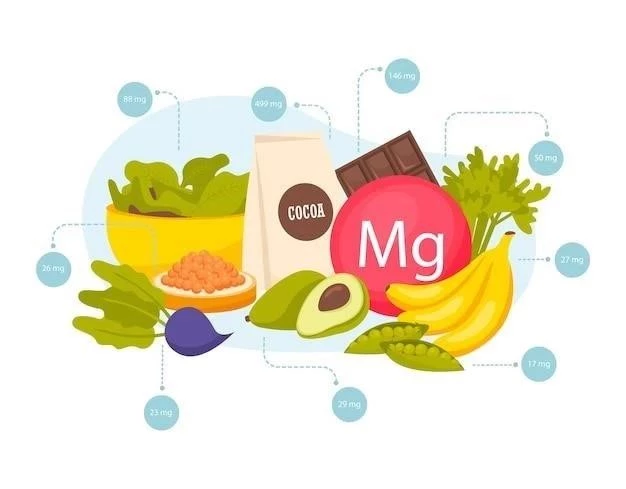
Magnesium
An often-overlooked mineral, magnesium is a co-factor in over 300 enzymatic reactions in the body. It plays a pivotal role in muscle and nerve function, blood glucose control, blood pressure regulation, and protein synthesis. It’s vital for energy production, bone development, and DNA synthesis. Symptoms of deficiency can include muscle cramps, fatigue, anxiety, and sleep disturbances; While found in leafy greens, nuts, and seeds, modern diets often fall short, making supplementation a wise choice for many.
- Benefits: Supports muscle and nerve function, energy production, bone health, sleep, and stress reduction.
- Key Consideration: Various forms exist (citrate, glycinate, threonate) with different absorption rates and specific benefits.
Probiotics
The human gut is home to trillions of microorganisms, collectively known as the gut microbiome, which profoundly influence digestion, nutrient absorption, immune function, and even mood. Probiotics are live beneficial bacteria and yeasts that, when consumed in adequate amounts, confer a health benefit to the host. They help maintain a healthy balance of gut flora, supporting digestive regularity, reducing inflammation, and bolstering the immune system. Different strains offer different benefits.
- Benefits: Enhances gut health, aids digestion, boosts immunity, may influence mood.
- Key Consideration: Choose multi-strain formulas with adequate Colony Forming Units (CFUs) and consider diverse strains.
Beyond the Basics: Tailoring Your Approach
While the above five form a robust foundation, individual circumstances necessitate a personalized approach.
Individual Needs
Consider your specific dietary habits (e.g., vegetarian/vegan may need B12, iron), lifestyle (stress levels, exercise intensity), age, gender, and any pre-existing health conditions or medications. For instance, athletes might benefit from creatine; older adults might need more B12 or calcium. Pregnant women have unique requirements.
Quality Matters
The supplement industry is vast and unregulated in many aspects. Always prioritize reputable brands that provide third-party testing for purity, potency, and absence of contaminants (e.g., heavy metals, pesticides). Look for certifications like NSF, USP, or ConsumerLab. Quality ensures efficacy and safety.
Professional Guidance
Before starting any new supplement regimen, especially if you have underlying health conditions or are taking medications, it is crucial to consult with a healthcare professional (doctor, registered dietitian, or clinical nutritionist). They can provide personalized advice, assess potential interactions, and recommend appropriate dosages based on your unique health profile.
The Synergistic Effect
These universal supplements are not isolated agents; they often work synergistically. For example, Vitamin D facilitates calcium absorption, which relies on magnesium for activation. Probiotics enhance nutrient absorption, making other supplements more effective; This interconnectedness underscores the holistic approach to foundational supplementation.
Important Considerations and Cautions
Supplements are intended to supplement, not replace, a healthy diet rich in whole foods. Over-supplementation can be harmful, and some nutrients can interact negatively with medications or other supplements. Always adhere to recommended dosages and be aware of potential side effects. Listen to your body and discontinue use if adverse reactions occur. The goal is balance and support, not excess.
Universal supplements offer a powerful strategy for optimizing health in the modern world. By addressing common nutritional gaps with a thoughtful selection of foundational nutrients like multivitamins, omega-3s, Vitamin D3, magnesium, and probiotics, individuals can build a stronger base for their overall well-being. Coupled with a balanced diet, regular exercise, and professional guidance, these supplements serve as valuable allies in the pursuit of sustained vitality and resilience. Embrace them as part of a comprehensive health strategy to thrive;