
Ashwagandha Extracts Standardized to 5% Withanolides
October 4, 2026
Common Heart Supplements & Their Benefits
October 6, 2026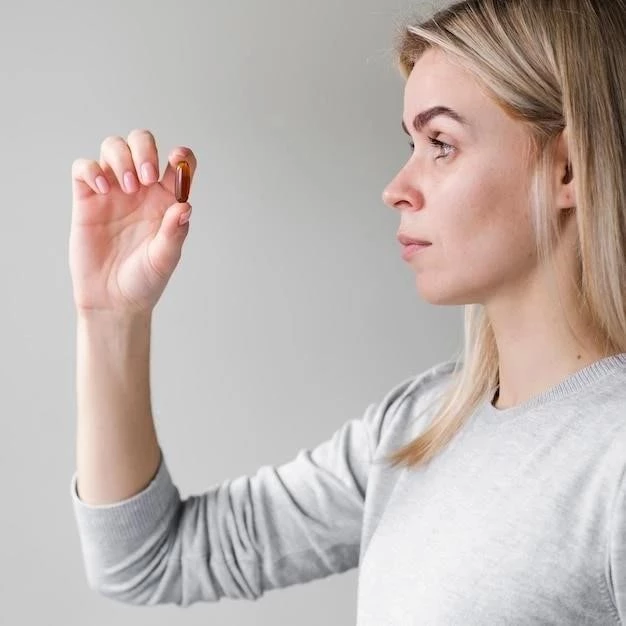
Coenzyme Q10 (CoQ10) is a naturally occurring compound in the body that plays a vital role in energy production within cells. It also functions as a powerful antioxidant, protecting cells from damage caused by free radicals. While our bodies produce CoQ10, production declines with age, and certain medications (like statins) can deplete levels. This article focuses on the benefits of CoQ10 supplementation specifically for women, covering its uses, dosage, side effects, and things to consider.
Why Women Might Benefit from CoQ10
Women experience unique physiological changes throughout life – menstruation, pregnancy, menopause – that can increase oxidative stress and energy demands. Here’s how CoQ10 can be particularly beneficial:
- Fertility: CoQ10 levels decline with age, impacting egg quality. Supplementation may improve mitochondrial function in eggs, potentially enhancing fertility.
- Migraines: Studies suggest CoQ10 can reduce the frequency and severity of migraines, which are more prevalent in women.
- Heart Health: Women are at risk for heart disease, and CoQ10 supports cardiovascular function by improving energy production in heart muscle cells and acting as an antioxidant.
- Skin Health: As an antioxidant, CoQ10 combats free radical damage, contributing to healthier, more youthful-looking skin. It can help reduce wrinkles and improve skin elasticity.
- Menopause: During menopause, estrogen levels decline, potentially increasing oxidative stress. CoQ10 can help mitigate these effects.
- Statin-Induced Myopathy: Women taking statins for cholesterol management are prone to muscle pain (myopathy). CoQ10 supplementation can help alleviate these symptoms.
Forms of CoQ10
CoQ10 comes in two primary forms:
- Ubiquinone: The more common and less expensive form. The body converts it to ubiquinol.
- Ubiquinol: The reduced, active antioxidant form. It’s more readily absorbed, especially beneficial for older adults or those with absorption issues.
Consider ubiquinol if you’re over 40, have digestive problems, or are taking statins.
Dosage Recommendations
Dosage varies depending on individual needs and health conditions. Generally:
- General Health/Antioxidant Support: 30-100mg daily.
- Migraine Prevention: 100-300mg daily.
- Fertility: 100-600mg daily (often combined with other nutrients).
- Statin-Induced Myopathy: 100-200mg daily.
- Heart Failure: Up to 400mg daily (under medical supervision).
Important: Always consult with your doctor to determine the appropriate dosage for you.
Potential Side Effects
CoQ10 is generally considered safe, but some individuals may experience:
- Mild digestive upset (nausea, diarrhea)
- Insomnia
- Skin rash
- Headache
Rarely, more serious side effects have been reported. Stop taking CoQ10 and consult your doctor if you experience any adverse reactions.
Precautions & Interactions
- Blood Thinners: CoQ10 may enhance the effects of blood thinners like warfarin.
- Blood Pressure Medications: CoQ10 might lower blood pressure, potentially interacting with blood pressure medications.
- Chemotherapy: CoQ10’s antioxidant properties could interfere with some chemotherapy drugs. Discuss with your oncologist.
- Pregnancy & Breastfeeding: Limited research exists. Consult your doctor before use.
Choosing a Supplement
Look for supplements that are:
- Third-party tested for purity and potency (e.g., USP, NSF International).
- From reputable brands.
- Formulated with bioavailability enhancers (like piperine/black pepper extract).