

Cellular Care Supplements A Guide to Supporting Health at the Source
August 22, 2026
Probiotic Supplements in Korea A Detailed Overview
August 22, 2026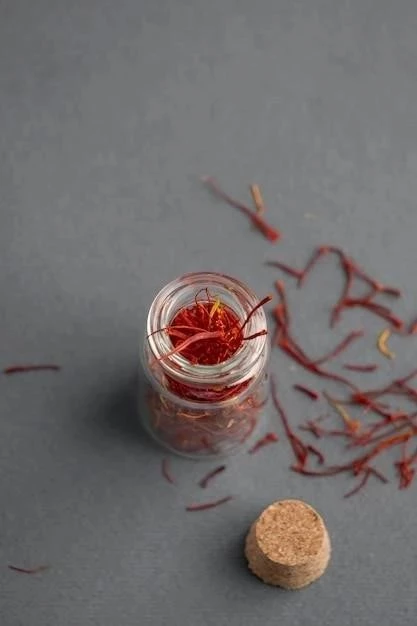
Saffron, derived from Crocus sativus, is a spice renowned for its culinary and medicinal properties. Emerging research suggests saffron supplements may offer significant benefits for eye health, particularly regarding age-related macular degeneration (AMD) and dry eye disease.
Key Compounds & Mechanisms
Saffron’s benefits stem from potent antioxidants like crocin, crocetin, and safranal. These compounds combat oxidative stress – a major contributor to eye diseases. They achieve this by:
- Reducing Inflammation: Saffron exhibits anti-inflammatory effects, crucial in managing conditions like uveitis and reducing AMD progression.
- Protecting Retinal Cells: Antioxidants shield delicate retinal cells from damage caused by free radicals.
- Improving Blood Flow: Enhanced circulation to the retina supports optimal function.
Saffron & Age-Related Macular Degeneration (AMD)
Several studies indicate saffron supplementation can improve visual acuity in individuals with early to intermediate AMD. Crocin and crocetin appear to protect the retinal pigment epithelium (RPE), a layer vital for vision. Research suggests comparable, or even superior, results to some conventional treatments in certain cases.
Important Note: Saffron isn’t a cure for AMD, but may slow its progression.
Saffron & Dry Eye Disease
Dry eye, characterized by insufficient tear production, causes discomfort and vision problems. Saffron may alleviate symptoms by:
- Increasing Tear Production: Some studies show saffron can stimulate tear secretion.
- Reducing Inflammation of Meibomian Glands: These glands produce oils essential for tear film stability.
- Improving Tear Film Quality: Leading to reduced dryness and irritation.
Dosage & Safety
Typical dosages in studies range from 20-30mg daily of standardized saffron extract.
Safety: Saffron is generally considered safe, but high doses can cause mild side effects like dry mouth, anxiety, and dizziness. Consult a healthcare professional before starting supplementation, especially if you have existing medical conditions or are taking medications. Pregnant or breastfeeding women should avoid saffron supplements.
Saffron supplements show promising potential for supporting eye health, particularly in AMD and dry eye disease. While more research is needed, the existing evidence suggests it’s a valuable addition to a holistic approach to vision care.



