
Enhancing Your Internal AI A Guide to Nootropic Supplements
February 22, 2026
A Guide to Lactation Supplements
February 23, 2026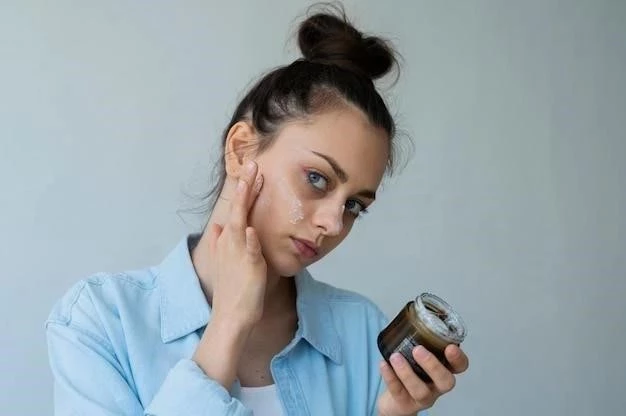
Hormonal acne is a common and often frustrating skin condition primarily driven by fluctuations in hormones‚ particularly androgens. These imbalances can lead to increased sebum production‚ inflammation‚ and follicular clogging‚ resulting in breakouts‚ often around the jawline‚ chin‚ and neck. While conventional treatments exist‚ many individuals seek complementary strategies‚ including targeted nutritional supplements‚ to address the root causes.
Understanding Hormonal Acne
Hormonal acne is complex‚ often influenced by factors like elevated androgen levels‚ insulin resistance‚ chronic inflammation‚ and stress. Supplements can play a supportive role by helping to modulate these underlying mechanisms‚ promoting clearer skin from within.
-
Zinc
This essential mineral boasts powerful anti-inflammatory properties and helps regulate sebum production. It also supports immune function and wound healing‚ making it a cornerstone for acne management. Studies suggest zinc supplementation can significantly reduce acne severity.
-
Spearmint Tea/Extract
Research indicates that spearmint can have anti-androgenic effects‚ potentially reducing levels of free testosterone. Regular consumption of spearmint tea or a concentrated extract may help mitigate the hormonal drivers of acne in some individuals.
-
DIM (Diindolylmethane)
Found in cruciferous vegetables‚ DIM supports healthy estrogen metabolism. By promoting the conversion of “bad” estrogens into “good” forms‚ DIM can help balance hormones and reduce androgenic effects that contribute to acne.
-
Saw Palmetto
This herbal extract is known for its ability to inhibit 5-alpha-reductase‚ an enzyme that converts testosterone into the more potent dihydrotestosterone (DHT). Reducing DHT can decrease sebum production and follicle inflammation.
-
Omega-3 Fatty Acids
EPA and DHA‚ found in fish oil‚ are potent anti-inflammatory agents. By calming systemic inflammation‚ omega-3s can reduce the redness and swelling associated with acne lesions and improve overall skin health.
-
Probiotics
A healthy gut microbiome is increasingly linked to clear skin through the “gut-skin axis.” Probiotics can improve gut integrity‚ reduce systemic inflammation‚ and potentially influence hormone metabolism‚ thereby impacting acne.
-
Vitamin D
Beyond its role in bone health‚ Vitamin D modulates immune function and has anti-inflammatory properties. Deficiency is common‚ and optimizing levels may help improve acne by regulating immune responses and reducing inflammation.
-
Magnesium
Often called the “stress mineral‚” magnesium plays a role in over 300 biochemical reactions. It can help reduce stress‚ which is a known acne trigger‚ and may improve insulin sensitivity‚ indirectly benefiting hormonal balance.
Important Considerations
While supplements can be beneficial‚ it is crucial to approach them thoughtfully. Always consult a healthcare professional‚ such as a dermatologist or endocrinologist‚ before starting any new supplement regimen‚ especially if you have underlying health conditions or are taking other medications. Supplements are not a magic bullet; they work best when combined with a holistic lifestyle that includes a balanced diet‚ adequate sleep‚ stress management‚ and appropriate topical skincare. Patience is also key‚ as it can take several weeks to months to see noticeable improvements.
Targeted nutritional supplements offer a promising adjunctive strategy for managing hormonal acne by addressing underlying hormonal imbalances‚ inflammation‚ and gut health. When chosen carefully and used under professional guidance‚ they can be a powerful part of a comprehensive approach to achieving clearer‚ healthier skin.