
Vitamin K Supplements A Comprehensive Guide
August 28, 2026
Immune Support Supplements: Do They Really Work?
August 29, 2026
Biotin‚ also known as Vitamin B7‚ has exploded in popularity as a supplement in recent years. Often touted for hair‚ skin‚ and nail growth‚ its use extends far beyond cosmetic benefits. This article provides a detailed overview of biotin supplements now‚ covering benefits‚ potential side effects‚ dosage‚ and who might truly need them. We’ll aim for a balanced perspective‚ separating hype from evidence-based facts.
What is Biotin & Why Do We Need It?
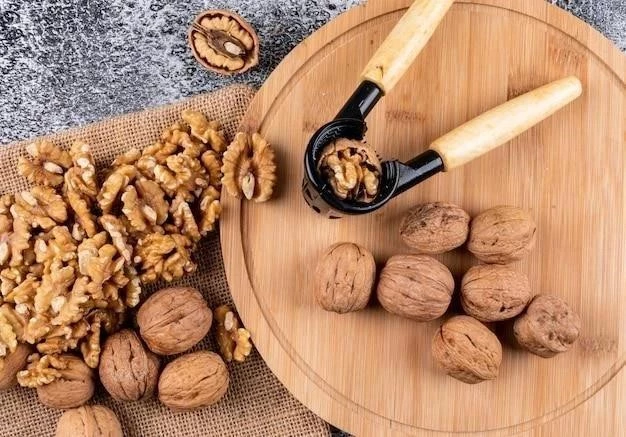
Biotin is a water-soluble vitamin crucial for several bodily functions. It plays a vital role in converting food into energy‚ metabolizing fats‚ carbohydrates‚ and proteins. It’s also essential for healthy cell growth. Because it’s water-soluble‚ the body doesn’t store large amounts‚ meaning regular intake is necessary. Good dietary sources include eggs‚ salmon‚ sweet potatoes‚ nuts‚ seeds‚ and liver.
The Popularity Boom: Hair‚ Skin & Nails
The surge in biotin supplement use is largely driven by marketing emphasizing its benefits for hair‚ skin‚ and nail health. While some studies suggest improvements in nail thickness and reduced brittleness in individuals with a biotin deficiency‚ evidence for hair growth is less conclusive. Many users report stronger‚ faster-growing hair and nails‚ but these effects aren’t universally experienced‚ and often‚ deficiencies are not present.
Does Biotin Really Work for Beauty?
For those without a biotin deficiency‚ supplementation is unlikely to yield dramatic results. The body can only utilize a certain amount of biotin; excess is typically excreted. However‚ some individuals with underlying‚ undiagnosed deficiencies may experience improvements. It’s crucial to remember that genetics‚ overall diet‚ and lifestyle factors play a much larger role in hair‚ skin‚ and nail health.
Beyond Beauty: Other Potential Benefits
Biotin’s benefits extend beyond aesthetics. It may play a role in:
- Neurological Function: Biotin supports nerve function.
- Blood Sugar Control: Some research suggests it may help improve blood sugar management in people with diabetes‚ but more studies are needed.
- Multiple Sclerosis (MS): High-dose biotin is being investigated as a potential treatment for progressive MS‚ showing some promising‚ though preliminary‚ results.
Potential Side Effects & Interactions
Biotin is generally considered safe‚ even at high doses. However‚ potential side effects include:
- Skin rashes
- Digestive upset
- Interference with lab tests: This is a significant concern. Biotin can falsely elevate or lower certain lab results‚ particularly thyroid tests and cardiac marker tests‚ leading to misdiagnosis. Always inform your doctor if you are taking biotin supplements before any blood tests.
Biotin can also interact with certain medications‚ such as anti-seizure drugs.
Dosage & Who Might Need a Supplement?
The recommended daily intake of biotin is relatively low – around 30 micrograms (mcg) for adults. Supplements typically contain much higher doses‚ ranging from 1‚000 mcg to 10‚000 mcg.
Who Should Consider Biotin Supplementation?
- Individuals with diagnosed biotin deficiency: This is rare but can occur in certain medical conditions.
- Pregnant or breastfeeding women: Biotin needs may be increased during these times.
- People with certain genetic disorders: Some genetic conditions impair biotin metabolism.
- Individuals taking certain medications: Some medications can deplete biotin levels.
The Bottom Line: Biotin Supplements Now
While biotin is essential for health‚ supplementation isn’t a magic bullet. For most people‚ obtaining sufficient biotin through a balanced diet is adequate. If you suspect a deficiency or have a medical condition‚ consult with a healthcare professional before starting a supplement. Be mindful of potential lab test interference and always disclose supplement use to your doctor. Don’t fall for exaggerated marketing claims; focus on a holistic approach to health and wellness.