
Supplement 213 A Comprehensive Guide
January 30, 2026
Vitamin D Supplements Benefits Types and Safe Usage
February 1, 2026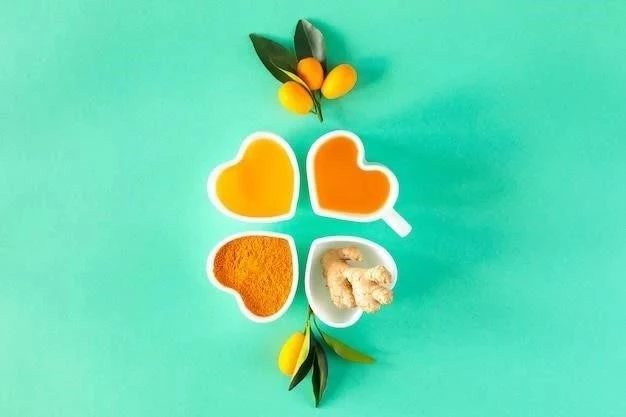
Turmeric, the vibrant golden spice from the Curcuma longa plant, has been revered for centuries in traditional Ayurvedic and Chinese medicine․ While known for culinary uses, its true power lies in its medicinal properties, primarily attributed to curcuminoids, with curcumin being the most significant․ Recent scientific research validates these ancient claims, leading to a surge in turmeric supplements for enhancing health and well-being․
The Power of Curcumin: A Multifaceted Compound for Health
Curcumin is a potent bioactive compound, celebrated for its wide array of therapeutic effects․ Its primary mechanisms revolve around its anti-inflammatory and antioxidant capabilities, fundamental in combating numerous chronic diseases․
Anti-inflammatory Properties
Chronic inflammation is a root cause of many modern ailments, from cardiovascular disease to autoimmune disorders․ Curcumin works at a molecular level to inhibit key inflammatory pathways․ It blocks molecules such as NF-kB, a protein complex regulating immune response and inflammation․ By modulating these pathways, curcumin significantly reduces systemic inflammation, offering substantial relief and protective benefits to various bodily systems․
Antioxidant Benefits
Oxidative stress, caused by an imbalance between free radicals and antioxidants, contributes to cellular damage and accelerated aging․ Curcumin is a powerful antioxidant that directly neutralizes detrimental free radicals․ Furthermore, it boosts the body’s own antioxidant enzymes, providing a robust, dual defense against oxidative damage․ This protective action is vital for maintaining cellular integrity, optimizing organ function, and promoting overall long-term health․
Potential Health Benefits
- Joint Health & Arthritis: Due to its anti-inflammatory effects, curcumin is used to manage symptoms of osteoarthritis and rheumatoid arthritis, helping reduce joint pain, stiffness, and swelling, improving mobility․
- Digestive Support: Curcumin supports healthy digestion by reducing gut inflammation and promoting balanced gut microbiota, potentially aiding conditions like irritable bowel syndrome (IBS) and inflammatory bowel disease (IBD)․
- Brain Health: Curcumin crosses the blood-brain barrier, showing neuroprotective properties․ It may improve brain-derived neurotrophic factor (BDNF) levels, linked to neuronal growth, memory, and reduced risk of neurodegenerative diseases․
- Heart Health: By improving endothelial function, reducing inflammation, and acting as an antioxidant, curcumin contributes to better cardiovascular health, mitigating risk factors for heart disease․
- Skin Health: Its anti-inflammatory and antioxidant properties benefit various skin conditions, including acne, eczema, and psoriasis, by reducing redness and promoting healing․
- Mood Support: Research suggests curcumin may possess antidepressant and anxiolytic effects, potentially by increasing neurotransmitter levels like serotonin and dopamine, and reducing neuroinflammation․
Why Supplements? Addressing Curcumin’s Bioavailability Challenges
Despite its impressive benefits, curcumin faces a significant challenge: poor bioavailability․ When consumed through dietary turmeric, curcumin is poorly absorbed, rapidly metabolized, and quickly excreted․ Eating turmeric spice alone may not deliver sufficient therapeutic doses․
To overcome this, many turmeric supplements are formulated with advanced bioavailability enhancers:
- Black Pepper Extract (Piperine): Piperine is the most common enhancer․ It significantly boosts curcumin absorption by inhibiting metabolic enzymes in the liver and intestine, allowing more curcumin to enter the bloodstream and remain active longer․
- Specialized Formulations: Formulations like liposomal curcumin, micellar curcumin, and curcumin complexed with phospholipids (e․g․, Meriva, BCM-95) enhance absorption by improving solubility and protecting curcumin from degradation․
Choosing the Right Turmeric Supplement for Optimal Results
With many turmeric supplement options, selecting a high-quality product is crucial for efficacy and safety․ Informed choices lead to better health outcomes․
- Standardization: Look for supplements standardized to contain a high percentage of total curcuminoids (e․g․, 95% curcuminoids)․ This guarantees a potent and consistent dose of active compounds․
- Bioavailability: Prioritize products with a proven bioavailability enhancer: piperine (black pepper extract) or specialized, patented formulations (e․g․, Meriva, BCM-95, CurcuWIN, Longvida)․ Without these, much curcumin may pass through unused․
- Third-Party Testing: Opt for reputable brands that conduct third-party testing for purity, potency, and absence of harmful contaminants like heavy metals and pesticides․ This assures product quality and safety․
- Dosage: Carefully follow recommended dosages on the product label or consult a healthcare professional․ Doses vary widely based on concentration and formulation․
- Form: Supplements are available in capsules, powders, and liquids․ Capsules are often preferred for ease of use, precise dosing, and portability․
Potential Side Effects & Important Precautions
While generally safe for most healthy individuals at recommended doses, turmeric supplements can have potential side effects and interactions:
- Mild Digestive Issues: Some individuals may experience mild gastrointestinal upset, including stomach discomfort, nausea, or diarrhea, especially with high doses․ Reducing the dose or taking with food often alleviates symptoms․
- Blood Thinning: Curcumin exhibits mild anticoagulant properties․ It may interact with prescription blood-thinning medications (e․g․, warfarin, aspirin), potentially increasing the risk of bruising or bleeding․ Consult your doctor before use․
- Gallbladder Issues: Turmeric can stimulate gallbladder contraction and increase bile production․ This might exacerbate symptoms in individuals with pre-existing gallstones or bile duct obstruction․ Consultation with a doctor is essential․
- Drug Interactions: Curcumin can interact with other medications, including antacids, diabetes drugs, and some chemotherapy agents․ Always inform your doctor or pharmacist about all supplements you are taking to avoid adverse interactions․
- Pregnancy & Breastfeeding: Pregnant or breastfeeding women should avoid high-dose turmeric supplements due to insufficient research on safety during these critical periods․ Culinary use is typically fine․