

Key Nutrients for Hair Health During and After Pregnancy
July 22, 2026
Zinc Deficiency and Fatigue: Could Supplementation Help?
July 23, 2026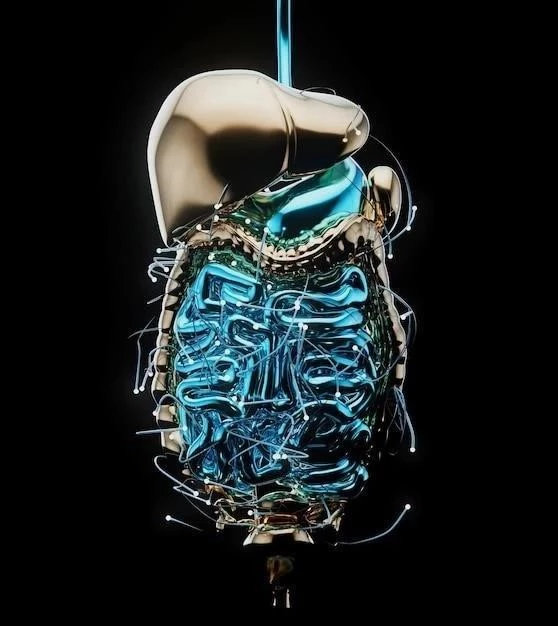
Modern diets, stress, and aging can compromise our digestive system’s ability to efficiently break down food and absorb nutrients. This often leads to discomfort like bloating, gas, and indigestion. Digestive enzyme supplements, often combined with probiotics, are gaining popularity as a natural way to support gut health. This article explores the benefits, types, and considerations when choosing these supplements.
What are Digestive Enzymes?
Digestive enzymes are proteins that catalyze the breakdown of food into smaller molecules the body can absorb. Different enzymes target different macronutrients:
- Amylase: Breaks down carbohydrates (starches & sugars).
- Protease: Breaks down proteins.
- Lipase: Breaks down fats.
- Lactase: Breaks down lactose (milk sugar).
- Cellulase: Breaks down cellulose (plant fiber).
Enzyme production can decline with age or be insufficient due to dietary factors or medical conditions. Supplementing can aid digestion and nutrient absorption.
The Role of Probiotics
Probiotics are live microorganisms (bacteria and yeasts) that confer a health benefit on the host when administered in adequate amounts. They primarily reside in the gut and contribute to:
- Gut Microbiome Balance: Promoting a healthy balance of gut bacteria.
- Immune Function: Supporting the immune system.
- Nutrient Synthesis: Producing vitamins (like K and B vitamins).
- Digestive Health: Aiding in digestion and reducing symptoms of IBS.
Common probiotic strains include Lactobacillus and Bifidobacterium.
Why Combine Enzymes & Probiotics?
The combination of digestive enzymes and probiotics offers a synergistic effect. Enzymes break down food, making nutrients more accessible to the probiotics. Probiotics, in turn, thrive on these released nutrients and contribute to a healthier gut environment, potentially enhancing enzyme activity. This combined approach addresses both the breakdown and utilization of food.
Benefits of Combined Supplements:
- Improved Digestion: Reduced bloating, gas, and indigestion.
- Enhanced Nutrient Absorption: Maximizing the benefits of your diet.
- Gut Microbiome Support: Promoting a diverse and balanced gut flora.
- Immune System Boost: Strengthening the body’s natural defenses.
- Reduced Inflammation: A healthier gut can contribute to lower systemic inflammation.
Choosing the Right Supplement
Consider these factors when selecting a digestive enzyme & probiotic supplement:
- Enzyme Spectrum: Ensure it contains a broad range of enzymes to address various food types.
- Probiotic Strains: Look for well-researched strains with documented benefits.
- CFU Count: (Colony Forming Units) – Higher isn’t always better; consider the specific strains and your needs.
- Delivery System: Enteric-coated capsules protect enzymes and probiotics from stomach acid.
- Third-Party Testing: Ensures quality and purity.
- Dietary Needs: Choose a supplement free of allergens (gluten, dairy, soy) if necessary.
Potential Side Effects & Precautions
Generally, these supplements are safe for most people. However, some may experience mild side effects like gas or bloating initially.
Precautions:
- Consult a healthcare professional before taking any new supplement, especially if you have underlying medical conditions or are taking medications.
- Individuals with compromised immune systems should exercise caution.
- Start with a low dose and gradually increase as tolerated.