
Bare Performance Nutrition BPN The Go One More Brand
June 9, 2026
Exploring Natural Supplements for Weight Management
June 10, 2026
The second trimester, often called the “golden trimester,” brings a wave of relief for many expectant mothers as morning sickness typically subsides and energy levels increase. However, this period, from week 13 to 27, is also a critical time for your baby’s rapid growth and development. While a balanced diet is paramount, certain supplements become even more crucial to meet both your and your baby’s escalating nutritional demands. Understanding which supplements are beneficial can help ensure a healthy pregnancy journey.
Key Nutritional Needs and Supplements
Continuing Your Prenatal Vitamin
Even if you started taking a prenatal vitamin before conception or in your first trimester, it’s essential to continue this habit throughout your second trimester. A high-quality prenatal vitamin acts as a nutritional safety net, providing a broad spectrum of vitamins and minerals like folic acid, iron, calcium, and vitamins D, C, and B complex, which are all vital for maternal health and fetal development.
Iron
As your blood volume significantly increases during the second trimester to support your growing baby and placenta, the demand for iron soars. Iron is crucial for producing hemoglobin, which carries oxygen to your tissues and your baby. Iron deficiency anemia is common in pregnancy and can lead to fatigue, weakness, and even premature birth or low birth weight. Many prenatal vitamins contain iron, but your doctor might recommend an additional supplement if your levels are low. Rich dietary sources include:
- Red meat, poultry, fish
- Legumes (beans, lentils)
- Spinach and other dark leafy greens
- Fortified cereals
Calcium & Vitamin D
During the second trimester, your baby’s bones are rapidly developing and hardening, requiring a substantial amount of calcium. If your dietary intake isn’t sufficient, your baby will draw calcium from your bones, potentially impacting your long-term bone health. Vitamin D is equally important as it aids in calcium absorption and supports your baby’s bone and tooth development. It also plays a role in immune function and cell division.
- Calcium sources: Dairy products, fortified plant milks, leafy greens, fortified orange juice.
- Vitamin D sources: Fatty fish (salmon), fortified milk, limited sun exposure.
DHA (Omega-3 Fatty Acid)
Docosahexaenoic acid (DHA), an omega-3 fatty acid, is vital for your baby’s brain, eye, and nervous system development, particularly during the second and third trimesters. Research suggests adequate DHA intake can also influence cognitive function and visual acuity in infants. Many prenatal vitamins now include DHA, or it can be taken as a separate supplement, often derived from fish oil or algae for vegetarians.
- DHA sources: Fatty fish (salmon, mackerel, sardines), DHA-fortified eggs, algal oil supplements.
Magnesium
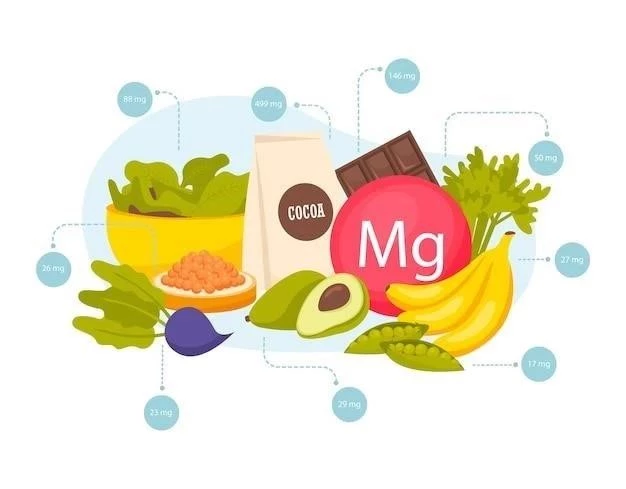
Magnesium plays a role in over 300 biochemical reactions in the body. During pregnancy, it can help prevent leg cramps, alleviate constipation, and contribute to healthy bone and tooth development for your baby. It also helps regulate blood pressure and blood sugar levels.
- Magnesium sources: Nuts, seeds, whole grains, dark chocolate, leafy greens.
Vitamin C
While often associated with immune health, Vitamin C is also vital for collagen production, which is essential for your baby’s developing skin, bones, and blood vessels. Crucially, Vitamin C significantly enhances the absorption of non-heme iron (iron from plant sources), making it a valuable companion to iron-rich foods or supplements.
- Vitamin C sources: Citrus fruits, bell peppers, strawberries, broccoli.
Important Considerations
- Consult Your Doctor: Always discuss any supplements with your obstetrician or healthcare provider. They can assess your individual needs, existing health conditions, and dietary intake to recommend appropriate dosages and types of supplements.
- Balanced Diet First: Supplements are meant to complement, not replace, a healthy and varied diet rich in whole foods. Focus on consuming nutrient-dense foods.
- Hydration: Don’t forget the importance of adequate water intake, which supports nutrient transport, prevents constipation, and helps manage swelling.
- Avoid Over-Supplementation: More isn’t always better. Excessive intake of certain vitamins (like Vitamin A) can be harmful during pregnancy. Stick to recommended dosages.
The second trimester is a period of remarkable growth and change. By thoughtfully addressing your nutritional needs with a balanced diet and targeted supplements under professional guidance, you can actively support a healthy pregnancy and give your baby the best possible start.