
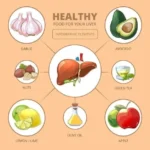
Five Strategies for a Healthy Liver
September 22, 2026
Magnesium and Cortisol: A Natural Approach to Stress Management
September 24, 2026
Magnesium is a vital mineral involved in over 300 enzymatic reactions in the body. It’s crucial for energy production, muscle and nerve function, blood sugar control, and blood pressure regulation. Many individuals don’t meet the recommended daily intake, leading to potential deficiencies. But should you get your magnesium from food or supplements? This article explores both avenues.
Magnesium from Food: A Natural Approach
Prioritizing magnesium-rich foods is generally the preferred method for boosting intake. Food sources offer a complex matrix of nutrients that work synergistically, enhancing absorption and utilization. Here are some excellent dietary sources:
- Leafy Green Vegetables: Spinach, kale, and collard greens are packed with magnesium.
- Nuts and Seeds: Almonds, cashews, pumpkin seeds, and chia seeds are convenient and nutritious.
- Legumes: Black beans, kidney beans, and chickpeas provide a good magnesium boost.
- Whole Grains: Brown rice, quinoa, and oats offer magnesium alongside fiber and other nutrients.
- Dark Chocolate: A delicious source, but consume in moderation due to sugar content.
- Avocados: A creamy fruit rich in magnesium and healthy fats.
- Fatty Fish: Salmon, mackerel, and halibut contain moderate amounts.
Benefits of Food Sources:
- Enhanced absorption due to accompanying nutrients.
- Lower risk of side effects (like diarrhea) compared to high-dose supplements.
- Contributes to overall dietary health.
Magnesium Supplements: When are They Necessary?
While food should be the primary source, supplements can be beneficial in specific situations. Certain factors can increase magnesium needs or hinder absorption:
- Medical Conditions: Conditions like Crohn’s disease, celiac disease, and type 2 diabetes can impair absorption.
- Medications: Certain diuretics, proton pump inhibitors (PPIs), and antibiotics can deplete magnesium levels.
- Intense Exercise: Athletes may have increased magnesium needs due to loss through sweat.
- Alcohol Abuse: Chronic alcohol consumption can interfere with magnesium absorption.
- Older Age: Magnesium absorption tends to decrease with age.
Types of Magnesium Supplements:
- Magnesium Citrate: Well-absorbed and often used for constipation relief.
- Magnesium Oxide: Less well-absorbed, but inexpensive; often used as a laxative.
- Magnesium Glycinate: Highly absorbable and gentle on the stomach; good for sleep and anxiety.
- Magnesium Chloride: Absorbed well, can be taken orally or applied topically.
- Magnesium Threonate: Shows promise for brain health and cognitive function.
Potential Side Effects of Supplements:
High doses of magnesium supplements can cause diarrhea, nausea, and abdominal cramping. Individuals with kidney problems should consult a doctor before taking magnesium supplements.
Supplement vs. Food: The Verdict
For most people, a well-balanced diet rich in magnesium-containing foods is sufficient. However, if you have a medical condition, take certain medications, or engage in intense physical activity, a magnesium supplement may be considered. Always consult with a healthcare professional to determine if supplementation is appropriate for you and to choose the right type and dosage. Prioritize food first, and view supplements as a potential adjunct, not a replacement, for a healthy diet.