

Immune Support Supplements: Do They Really Work?
August 29, 2026
Senolytic Supplements: Benefits, Mechanisms, and Considerations
August 31, 2026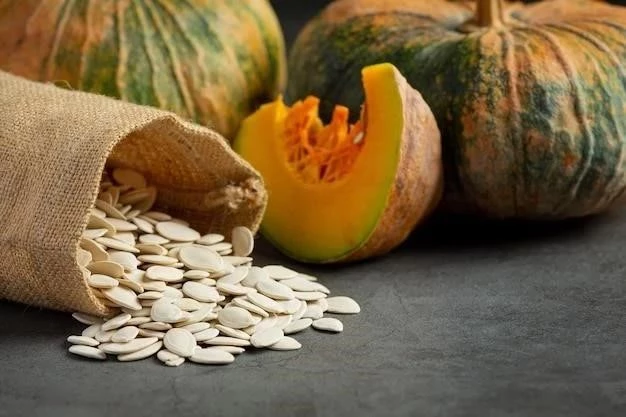
Hair loss is a common concern affecting both men and women. While numerous treatments exist, natural remedies are gaining popularity. Pumpkin seed supplements have emerged as a promising option, backed by growing scientific evidence. This article delves into the benefits, science, usage, and potential side effects of using pumpkin seed supplements for hair growth.
What Makes Pumpkin Seeds Good for Hair?
Pumpkin seeds are nutritional powerhouses, rich in compounds beneficial for hair health. Key components include:
- Zinc: Crucial for tissue growth and repair, including hair. Zinc deficiency is linked to hair loss.
- Iron: Essential for carrying oxygen to hair follicles. Iron deficiency (anemia) is a known cause of hair shedding.
- Omega-3 & Omega-6 Fatty Acids: Nourish the scalp and hair, promoting shine and strength.
- Vitamin E: An antioxidant protecting hair follicles from damage.
- Cucurbitin: A unique amino acid believed to inhibit the enzyme 5-alpha reductase.
The Role of 5-Alpha Reductase
5-alpha reductase converts testosterone into dihydrotestosterone (DHT); DHT can shrink hair follicles, leading to androgenetic alopecia (male/female pattern baldness). Cucurbitin’s potential to block this enzyme is a major reason pumpkin seeds are studied for hair loss, particularly in men.
Scientific Evidence & Studies
Several studies suggest pumpkin seed supplements can positively impact hair growth:
- Study 1 (2014): A study on men with androgenetic alopecia showed that pumpkin seed oil supplementation resulted in increased hair count compared to a placebo after 24 weeks.
- Study 2 (2017): Research indicated pumpkin seed oil could improve hair growth in women as well, though more research is needed.
- Ongoing Research: Further studies are exploring the optimal dosage and long-term effects.
How to Use Pumpkin Seed Supplements
Pumpkin seed supplements are available in various forms:
- Capsules/Tablets: Convenient and provide a standardized dose.
- Oil: Can be taken directly or added to food.
- Seeds: Eating roasted pumpkin seeds is a healthy snack, but the concentration of beneficial compounds is lower than in supplements.
Dosage: Typical dosages range from 400mg to 1000mg of pumpkin seed extract daily. Always consult with a healthcare professional before starting any new supplement regimen.
Potential Side Effects & Precautions
Pumpkin seed supplements are generally considered safe, but some potential side effects include:
- Digestive Issues: Mild stomach upset or diarrhea.
- Allergic Reactions: Rare, but possible.
- Drug Interactions: May interact with blood thinners or medications for blood pressure.
Important Note: Supplements are not a magic bullet. A healthy diet, stress management, and proper hair care are also crucial for optimal hair growth.
This information is for general knowledge and informational purposes only, and does not constitute medical advice. It is essential to consult with a qualified healthcare professional for any health concerns or before making any decisions related to your health or treatment.



