The Ultimate Guide to a 90-Day Probiotic Supply
September 26, 2026
Probiotic Supplements for Men
September 27, 2026
Biotin‚ also known as Vitamin B7‚ is a water-soluble vitamin crucial for numerous bodily functions. While often associated with hair‚ skin‚ and nail health‚ its role extends far beyond aesthetics. This article delves into the significance of a 0.5 mg biotin dosage‚ its benefits‚ potential deficiencies‚ and considerations for supplementation.
What Does Biotin Do?
Biotin is a coenzyme‚ meaning it assists enzymes in breaking down fats‚ carbohydrates‚ and proteins. Specifically‚ it plays a vital role in:
- Metabolism: Converting food into energy.
- Cell Growth: Supporting healthy cell development.
- Gene Regulation: Influencing gene expression.
- Nervous System Function: Maintaining nerve signal transmission.
Is 0.5 mg Enough?
The Recommended Dietary Allowance (RDA) for biotin for adults is typically 30 micrograms (mcg) or 0.03 mg daily. A 0.5 mg dose is significantly higher – approximately 16.7 times the RDA. However‚ biotin is water-soluble‚ meaning excess amounts are generally excreted in urine‚ making toxicity rare.
Higher doses‚ like 0.5mg‚ are often recommended for individuals experiencing specific conditions or aiming for targeted benefits. It’s important to note that individual needs vary.
Benefits of a 0.5 mg Biotin Dosage
While research is ongoing‚ a 0.5 mg dose of biotin may offer benefits in the following areas:
- Hair Health: Often marketed for hair growth and strength‚ though evidence is mixed. Beneficial primarily for those deficient in biotin.
- Nail Strength: May improve nail thickness and reduce brittleness‚ again‚ particularly in deficient individuals.
- Skin Health: Can help address certain skin conditions linked to biotin deficiency.
- Metabolic Support: May aid in managing blood sugar levels‚ especially in individuals with diabetes (consult a doctor).
- Multiple Sclerosis (MS): High-dose biotin is being investigated as a potential treatment for progressive MS‚ but requires medical supervision.
Biotin Deficiency: Who’s at Risk?
True biotin deficiency is rare‚ but certain groups are more susceptible:
- Pregnant Women: Increased biotin needs during pregnancy.
- Individuals with Genetic Disorders: Some genetic conditions impair biotin metabolism.
- People on Long-Term Antibiotics: Antibiotics can disrupt gut bacteria that produce biotin.
- Those with Digestive Issues: Conditions affecting nutrient absorption.
- Heavy Alcohol Consumption: Can interfere with biotin absorption.
Considerations & Side Effects
While generally safe‚ high doses of biotin can interfere with certain lab tests‚ particularly thyroid tests and cardiac marker tests‚ leading to inaccurate results. Always inform your doctor if you are taking biotin supplements before undergoing any medical testing.
Side effects are uncommon but may include:
- Mild digestive upset
- Skin rashes
Food Sources of Biotin
Include these foods in your diet to naturally boost biotin intake:
- Eggs
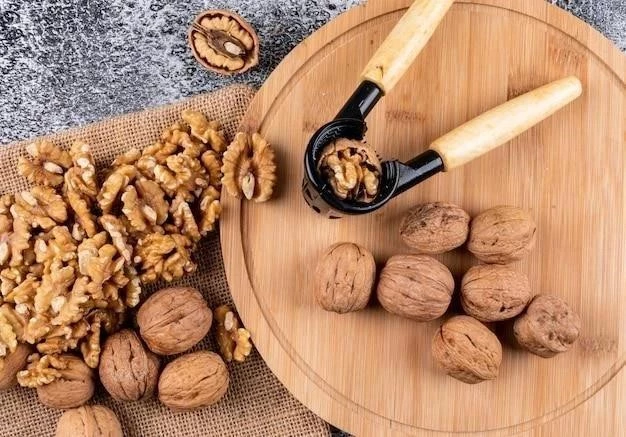
- Nuts and Seeds
- Sweet Potatoes
- Salmon
- Liver
- Avocados