
Top Biotin Supplement Choices (2024)
September 17, 2026
Key Vitamins & Supplements for Eye Health
September 18, 2026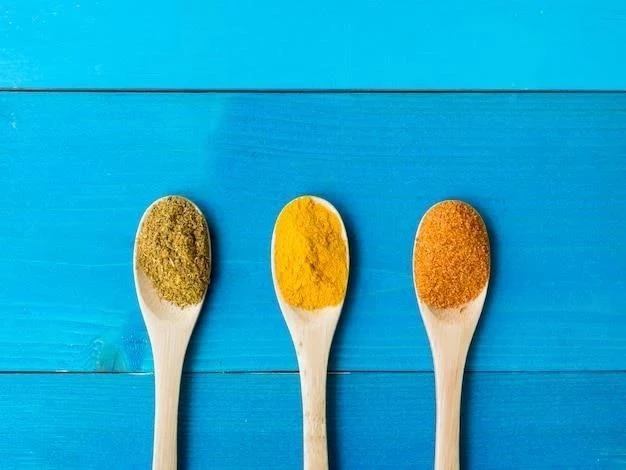
Turmeric (Curcuma longa) is a vibrant yellow spice long treasured for its culinary and medicinal properties. Originating in South Asia‚ it’s a staple in Indian cuisine and Ayurvedic medicine. However‚ the true power lies within curcumin‚ its most active compound. Understanding the difference between turmeric and curcumin is crucial.
What is Turmeric?
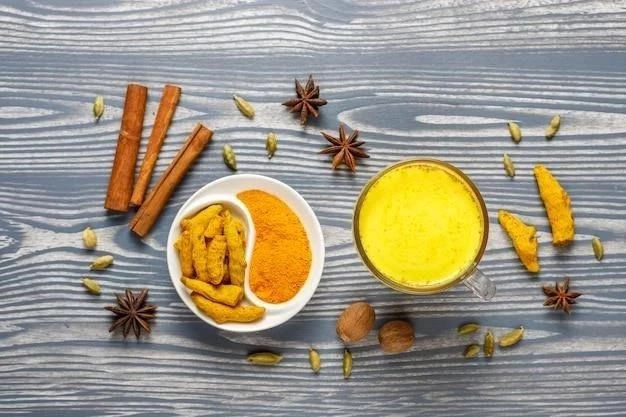
Turmeric is the rhizome (underground stem) of the Curcuma longa plant. It’s typically sold in powdered form‚ but also available fresh. Its flavor is warm‚ slightly bitter‚ and peppery. Beyond cooking‚ turmeric has been traditionally used for:
- Wound healing: Its antiseptic qualities aid in recovery.
- Digestive issues: Used to soothe bloating and indigestion.
- Inflammation: A core principle in Ayurvedic practices.
- Cosmetics: Used in skincare for its brightening effects.
The Role of Curcumin
Curcumin is the primary bioactive component of turmeric. While turmeric only contains about 3% curcumin by weight‚ it’s this compound responsible for most of its health benefits. However‚ curcumin has poor bioavailability – meaning the body doesn’t absorb it easily.
Bioavailability & Enhancement
To improve curcumin absorption‚ combine turmeric with:
- Black pepper: Piperine in black pepper significantly increases curcumin absorption (up to 2000%).
- Healthy fats: Curcumin is fat-soluble‚ so consuming it with fats (like coconut oil or olive oil) enhances absorption.
- Formulations: Liposomal curcumin and curcumin phytosome are designed for better bioavailability.
Health Benefits of Curcumin (Backed by Research)
Research suggests curcumin may offer a range of health benefits:
- Anti-inflammatory: Potentially helpful for conditions like arthritis.
- Antioxidant: Neutralizes free radicals‚ protecting cells from damage.
- Brain Health: May improve brain function and lower the risk of brain diseases.
- Heart Health: May improve endothelial function.
- Cancer Prevention: Studies suggest potential anti-cancer properties (more research needed).
Using Turmeric in Your Life
Incorporating turmeric is easy:
- Cooking: Add to curries‚ soups‚ stews‚ rice‚ and roasted vegetables.
- Golden Milk: A traditional Ayurvedic drink with turmeric‚ milk (or plant-based alternative)‚ black pepper‚ and sweetener.
- Supplements: Consider a curcumin supplement‚ especially if seeking therapeutic benefits.
- Topical Applications: DIY face masks or skincare products.